Understanding the Importance of Anti Vibration Rubber Mounts in Machinery
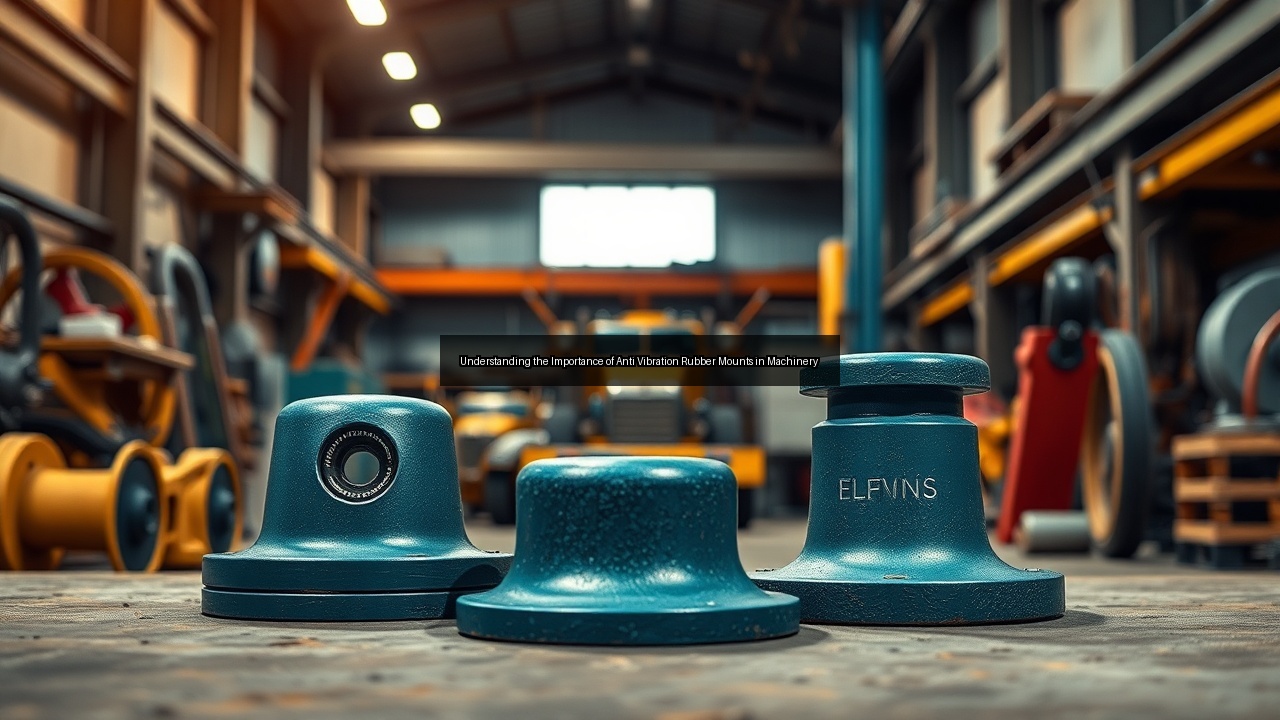
The Role of Anti Vibration Rubber Mounts in Machinery
Understanding Vibration and Its Impact on Machinery
Vibration occurs when machinery operates, causing moving parts to oscillate. This natural phenomenon can lead to detrimental effects on machinery if left unchecked. Excessive vibrations can result in structural fatigue, premature component wear, and even catastrophic failures. For instance, an engine that vibrates excessively may lead to misalignment, which can compromise performance. Thus, understanding vibration is essential for maintaining machinery efficiency and longevity. Proper vibration control is not merely an option; it is a necessity for ensuring smooth operations in various industrial applications. By incorporating effective solutions like anti vibration rubber mounts, businesses can significantly reduce the adverse effects of vibration.
How Anti Vibration Rubber Mounts Function
Anti vibration rubber mounts serve as crucial elements in vibration isolation systems. These mounts absorb and dissipate kinetic energy generated by machinery, thus mitigating the transmission of vibrations to surrounding structures. The rubber material in these mounts acts as a flexible barrier, allowing it to deform under pressure and absorb shock. When machinery vibrates, the anti vibration rubber mounts compress and expand, effectively dampening the vibrations before they can spread through the equipment or into the building structure. This functionality not only aids in noise control but also enhances the overall performance and reliability of machinery. By strategically placing these mounts, operators can achieve optimal vibration reduction, creating a more stable and productive work environment.
Key Components of Anti Vibration Rubber Mounts
Understanding the key components of anti vibration rubber mounts is vital for selecting the right mount for specific applications. Typically, these mounts consist of rubber, which can be made from natural rubber or synthetic options like neoprene. The design often incorporates additional elements such as stainless steel or other metals to enhance durability and strength. The shape of the mount—often a cone or cylinder—plays a significant role in its vibration damping capabilities. Furthermore, factors such as height, diameter, and stiffness influence how well the mount can absorb vibrations. By comprehensively analyzing these components, one can determine the most effective anti vibration mount for any specific machinery or operational need.
Applications of Anti Vibration Rubber Mounts
Use in Marine and HVAC Systems
Anti vibration rubber mounts find extensive applications in marine and HVAC systems, where vibration isolation is crucial. In marine environments, vessels encounter a variety of vibrations from engines, propellers, and turbulent waters. Properly installed rubber mounts help to absorb these vibrations, protecting sensitive onboard equipment and enhancing passenger comfort. Similarly, HVAC systems generate substantial vibrations from compressors and fans. By integrating anti vibration rubber mounts, HVAC systems can minimize noise and vibrations transmitted through pipes and ducts, leading to a quieter and more efficient operation. These applications highlight the versatile nature of anti vibration rubber mounts, showcasing their importance in environments where vibration control is paramount.
Vibration Isolation in Generators and Compressors
Generators and compressors are notorious for producing significant vibrations during operation. The pulsating nature of these machines can lead to mechanical stress and noise, which may disrupt both the equipment and surrounding areas. Anti vibration rubber mounts play a vital role in isolating these vibrations, ensuring that they do not spread to other machinery or structures. By absorbing the vibrations generated by the engine or compressor, these mounts enhance operational efficiency while promoting a safer work environment. In industrial settings, effective vibration isolation translates to reduced maintenance needs and improved longevity of the equipment, making anti vibration rubber mounts an essential investment.
Role in Construction and Manufacturing Industries
The construction and manufacturing industries heavily rely on heavy machinery and equipment that generate considerable vibrations. From excavators to assembly line machines, the risk of vibration-related damage looms large. Anti vibration rubber mounts serve as a vital solution for these industries by reducing the transmission of vibrations, thereby protecting both the equipment and the workforce. In construction, these mounts can be utilized in machinery such as concrete mixers and cranes to ensure stability during operation. In manufacturing, they can be integrated into conveyor systems or stamping machines to enhance productivity and safety. The versatility of anti vibration rubber mounts makes them indispensable in environments where vibration control is a necessity.
Materials and Design of Anti Vibration Rubber Mounts
Natural Rubber vs. Neoprene: Which is Better?
Choosing the right material for anti vibration rubber mounts involves evaluating the specific needs of the application. Natural rubber offers excellent elasticity and vibration damping capabilities, making it ideal for general use. Its ability to withstand varying frequencies and temperatures makes it a popular choice in many industries. However, neoprene rubber presents distinct advantages, especially in environments exposed to oil, chemicals, or extreme temperatures. Neoprene’s durability and resilience make it a superior option for applications requiring enhanced resistance to wear and tear. Ultimately, the decision between natural rubber and neoprene hinges on the operational environment and requirements, with each offering unique benefits that can enhance vibration isolation performance.
Elastomeric Properties and Their Importance
The elastomeric properties of rubber materials significantly influence the performance of anti vibration rubber mounts. These properties include elasticity, resilience, and the ability to absorb energy. High elasticity allows the mounts to deform under load and return to their original shape, effectively damping vibrations. Resilience ensures that the mounts can withstand repeated stress without degradation. Additionally, the energy-absorbing capacity plays a critical role in minimizing vibrations across various frequencies. Engineers must consider these elastomeric properties when designing mounts to ensure they meet the specific vibration isolation requirements of the machinery and the operational context.
Design Considerations: Height, Diameter, and Stiffness
Design plays a pivotal role in the effectiveness of anti vibration rubber mounts. Key design considerations include height, diameter, and stiffness. The height of the mount affects its ability to absorb vibrations; taller mounts can provide greater isolation but may also alter machinery alignment. The diameter impacts the surface area in contact with the machinery, influencing the overall stability and effectiveness of the mount. Stiffness is crucial for determining how much load the mount can handle before it begins to deform. Engineers must carefully balance these design factors to create a mount that effectively reduces vibrations while maintaining the operational integrity of the machinery.
Benefits of Implementing Anti Vibration Rubber Mounts
Enhancing Noise Control and Vibration Damping
Implementing anti vibration rubber mounts significantly enhances noise control and vibration damping in industrial settings. As vibrations propagate through machinery, they often create noise that can disrupt operations and affect worker comfort. Anti vibration rubber mounts absorb these vibrations, transforming them into minimal sound waves, thus effectively silencing the equipment. This noise reduction not only improves the work environment but also complies with occupational safety regulations. Enhanced vibration damping leads to smoother operations, which can be crucial for precision tasks. By prioritizing noise control through these mounts, businesses can foster a more productive and efficient workplace.
Improving Equipment Longevity and Performance
Anti vibration rubber mounts play a crucial role in extending the lifespan of machinery and improving overall performance. By absorbing shocks and vibrations, these mounts protect critical components from excessive wear and tear. Equipment subjected to high levels of vibration often experiences misalignments and damage, leading to costly repairs and downtime. By implementing effective vibration control measures, businesses can enhance the operational reliability of their machinery. This not only reduces the frequency of maintenance interventions but also optimizes productivity. Ultimately, investing in anti vibration rubber mounts translates into substantial long-term savings and performance gains.
Reducing Maintenance Costs in Machinery
Maintaining machinery can incur significant costs, particularly when vibration-related issues arise. Anti vibration rubber mounts help mitigate these issues by reducing wear on critical components. With less vibration-induced stress on machinery, the frequency and severity of maintenance tasks diminish. Businesses can allocate their resources more effectively, focusing on productivity rather than repairs. Moreover, the use of anti vibration mounts can extend the lifespan of equipment, further reducing replacement costs. By adopting these vibration reduction solutions, companies not only improve operational efficiency but also achieve substantial cost savings over time.
See Also
- The Impact of Frequency on Vibration Control Solutions
- Exploring the Use of Cone Mounts for Enhanced Vibration Damping
- Transforming Your Equipment's Performance with Anti Vibration Pads
- Noise Control Solutions for Industrial Machinery Using Vibration Isolators
- Unlocking the Secrets of Anti Vibration Rubber Mounts for Machinery Performance