Elevate Your Metalworking Skills with Custom Spun Hemispheres
Understanding Custom Spun Hemispheres
What Are Custom Spun Hemispheres?
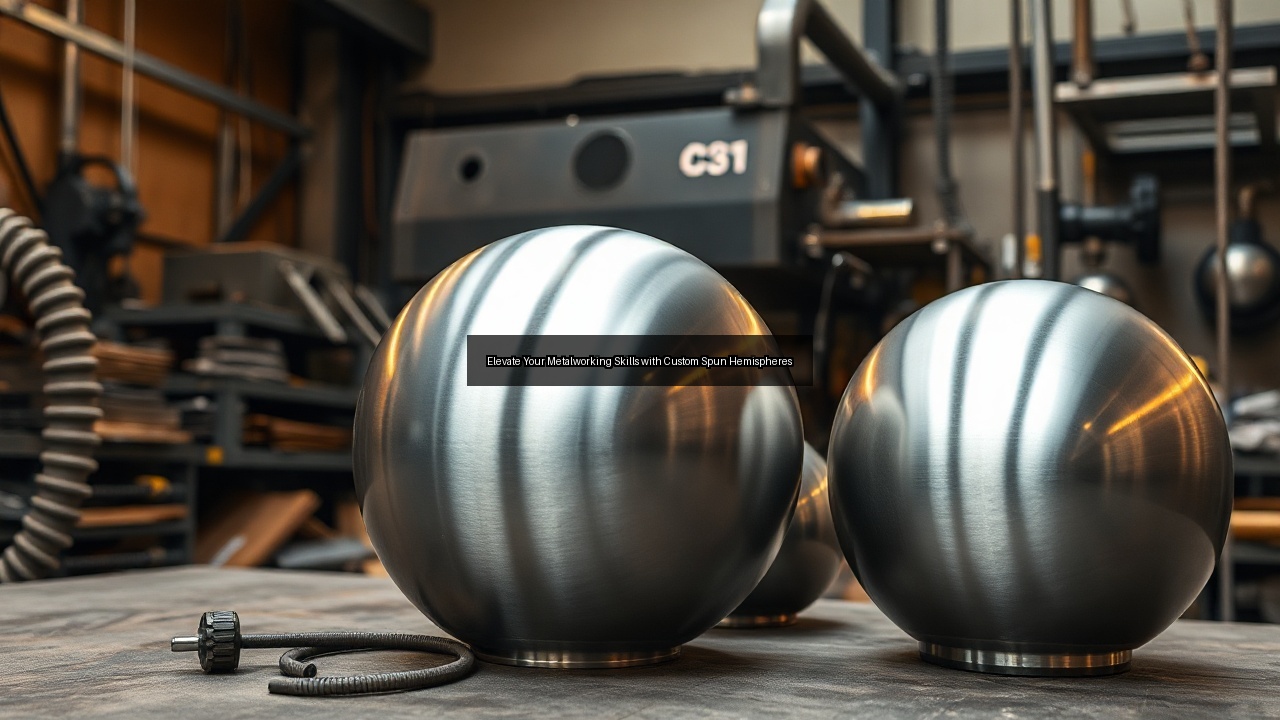
Custom spun hemispheres represent a specialized product within the realm of metalworking. These structures involve creating hollow, dome-like shapes through a metal spinning process. Unlike standard hemispheres, custom options allow for precise dimensions, unique designs, and specific material choices tailored to the project's needs. Machinists often utilize these custom spun hemispheres in various applications, ranging from decorative elements to functional components in machinery. Their versatility makes them an essential item in both industrial and artistic metalworking. The ability to customize size, thickness, and finish opens up endless possibilities for designers and engineers alike.
The Process of Metal Spinning
Metal spinning is a technique that transforms flat metal disks into three-dimensional shapes using a lathe and various tools. The process begins with selecting the desired metal, typically aluminum or iron. The machinist mounts the metal disk on a spinning lathe, applying pressure with a tool to shape the material as it rotates. This method allows for greater control over the thickness and uniformity of the finished product. The spinning technique not only ensures precision but also enhances the metal's strength, making it suitable for demanding applications. After shaping, the custom spun hemisphere undergoes finishing processes to achieve the desired surface quality and aesthetics.
Materials Used in Spun Hemispheres: Aluminum vs. Iron
Choosing the right material significantly impacts the performance and application of custom spun hemispheres. Aluminum stands out for its lightweight properties and corrosion resistance, making it ideal for applications in aerospace, automotive, and architectural designs. Its ease of manipulation during the spinning process allows machinists to create intricate designs without compromising structural integrity. In contrast, iron offers exceptional durability and strength, making it suitable for heavy-duty applications. However, iron is heavier and prone to rust, which necessitates protective coatings or treatments. Understanding the differences between spun aluminum and iron helps designers make informed choices based on their project's specific requirements and performance expectations.
Applications of Custom Spun Hemispheres in Metalworking
Designing Custom Hemispheres for Unique Projects
Custom spun hemispheres find applications across a diverse range of industries. Designers often leverage these components for unique architectural elements, such as domes or decorative lighting fixtures. Customization enables the creation of visually striking pieces that align with a project's specific aesthetic and functional requirements. In the realm of manufacturing, custom spun hemispheres serve as critical components in machinery, housing, and protective covers. The ability to tailor dimensions and materials ensures that these hemispheres fit seamlessly into various systems, enhancing overall performance. Creative professionals, including artists and product designers, also utilize custom spun hemispheres to incorporate innovative designs into their work, showcasing the versatility of this metalworking technique.
Utilizing Spun Aluminum in Various Industries
Spun aluminum plays a crucial role in multiple sectors due to its favorable properties. In the aerospace industry, manufacturers use custom spun hemispheres for lightweight components that do not compromise strength or safety. The automotive sector benefits similarly, utilizing spun aluminum for parts such as wheel covers and engine components. Additionally, the architectural field increasingly incorporates spun aluminum into unique designs, from decorative elements on buildings to functional aspects in modern architecture. The versatility of spun aluminum allows it to adapt to various applications, making it a preferred material for engineers and designers striving for both functionality and aesthetic appeal.
The Role of Machinists in Creating Custom Hemispheres
Machinists play an indispensable role in the creation of custom spun hemispheres. Their expertise in metal spinning ensures that each piece meets the exact specifications and quality standards required by the project. Skilled machinists understand the nuances of different metals, the intricacies of the spinning process, and the importance of precision in shaping materials. They carefully monitor each stage of production, from the initial selection of materials to the final finishing touches. Their knowledge and craftsmanship directly impact the durability and functionality of the custom spun hemispheres. As technology advances, machinists continue to adapt and refine their techniques, ensuring that the production of these components meets the evolving demands of modern metalworking.
Techniques to Elevate Your Metalworking Skills
Mastering the Art of Metal Spinning
Mastering metal spinning requires a combination of technical skill and artistic vision. To excel in this craft, aspiring metalworkers should invest time in learning the fundamentals of the spinning process. This includes understanding how to properly set up the lathe, selecting appropriate tooling, and developing hand-eye coordination for shaping the metal accurately. Practicing with different metals, such as spun aluminum and iron, allows metalworkers to experience the unique challenges each material presents. Additionally, studying existing designs and experimenting with various techniques can inspire creativity and innovation, essential qualities in the field of metalworking.
Tips for Working with Different Metals
Working with various metals in the spinning process presents unique challenges and opportunities. Each metal has its characteristics that affect how it behaves during spinning. For instance, aluminum's lightweight nature allows for faster spinning speeds, while iron requires more careful handling to avoid deformation. Metalworkers should also consider the thickness of the material, as thicker metals may require more force and time to shape effectively. Always prepare the metal surface before spinning to ensure a smooth finish. Investing in high-quality tools and maintaining them properly can significantly enhance the outcome of metalworking projects, leading to more professional results in custom spun hemispheres.
Common Challenges and Solutions in Spinning Hemispheres
Metal spinning, especially when creating custom spun hemispheres, can present various challenges. One common issue is achieving uniform thickness throughout the hemisphere. Inconsistent pressure during the spinning process can lead to weak spots or uneven surfaces. To combat this, machinists should apply steady pressure and continuously monitor thickness as the metal spins. Another challenge involves managing material deformation. Using the right tooling and maintaining proper lathe speed can help minimize this risk. Finally, finishing techniques, such as polishing or anodizing, may pose difficulties if not executed correctly. Learning effective methods for these finishing processes will ensure that custom spun hemispheres not only perform well but also have an appealing appearance.
The Future of Custom Spun Hemispheres
Emerging Trends in Metalworking
The future of custom spun hemispheres looks promising as emerging trends in metalworking shape the industry. Advances in technology, such as computer numerical control (CNC) lathes, allow for higher precision and automation in the spinning process. This innovation enables machinists to produce custom spun hemispheres more efficiently while maintaining quality. Additionally, the rise of 3D printing technology influences metalworking practices, providing new avenues for design and prototyping. As these trends continue to evolve, they will undoubtedly open up new possibilities for custom designs and applications in various industries.
Innovations in Spun Hemisphere Production
Innovations in the production of custom spun hemispheres are revolutionizing the metalworking landscape. Techniques such as hybrid spinning combine traditional methods with modern technology, enhancing the efficiency and accuracy of the process. Moreover, new alloys and composite materials are emerging, allowing for even greater customization in terms of strength, weight, and unique properties. These innovations enable designers and engineers to push the boundaries of what's possible with custom spun hemispheres, creating components that meet increasingly complex requirements across various applications.
Sustainability in Metal Spinning Practices
Sustainability has become a critical focus in modern metalworking, including the production of custom spun hemispheres. Manufacturers are increasingly adopting eco-friendly practices, such as recycling scrap metal and reducing waste during the spinning process. Utilizing sustainable materials, such as recycled aluminum, also contributes to a lower environmental impact. As the industry moves toward greener practices, machinists and designers are encouraged to prioritize sustainability in their projects. This shift not only benefits the planet but also appeals to consumers who value environmentally responsible production methods. Embracing sustainability will shape the future of custom spun hemispheres and metalworking as a whole.
See Also
- The Art of Metal Spinning Transforming Aluminum into Custom Hemispheres
- The Benefits of Using Custom Spun Hemispheres for Your Next Project
- How to Choose the Right Materials for Custom Spun Hemispheres
- Behind the Scenes of Custom Spun Hemispheres in Manufacturing
- From Concept to Creation How Custom Spun Hemispheres Are Made