Case Studies on Successful Custom Rubber Molding Projects
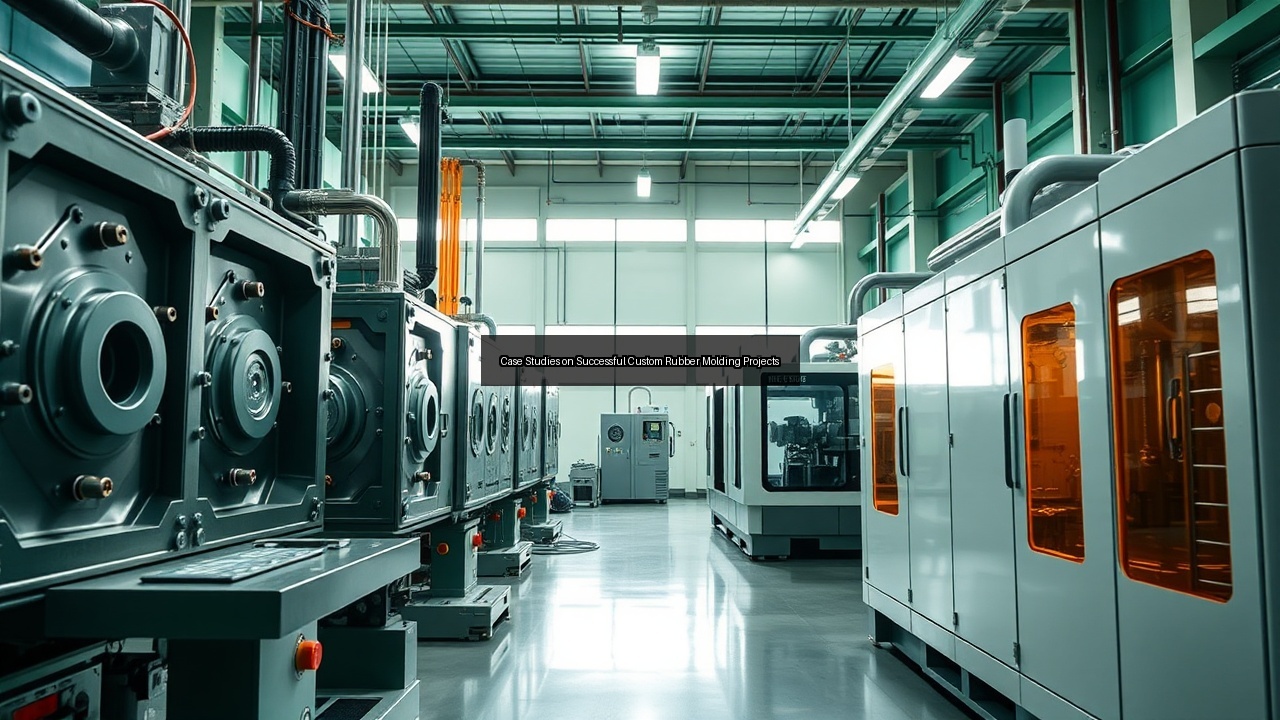
Overview of Custom Rubber Molding Technologies
Injection Molding: Precision and Efficiency
Injection molding stands at the forefront of custom rubber molding technologies due to its unmatched precision and efficiency. This process involves injecting molten rubber into a mold under high pressure, where it cools and solidifies into the desired shape. The ability to produce intricate designs and tight tolerances makes injection molding particularly advantageous for applications requiring high levels of accuracy, such as automotive bushings and gaskets. The rapid cycle times associated with this method enhance manufacturing efficiency, allowing for quicker turnaround times without sacrificing quality. Furthermore, the capability to use various elastomers, including EPDM and silicone, broadens the range of applications for injection molding in various industries.
Compression Molding: Cost-Effective Solutions
Compression molding offers a cost-effective alternative for producing rubber parts. This method involves placing a pre-measured amount of rubber material into an open mold, which is then closed and heated to cure the rubber. Compression molding is particularly suitable for larger parts or those with simpler geometries, making it an ideal choice for applications in the food packaging industry. The process requires minimal tooling and rubber custom molds can be more economical for low to medium production runs. Additionally, it allows for the use of rubber custom molds, which can easily be modified to accommodate different designs. The flexibility and affordability of compression molding help manufacturers meet their customers' diverse needs while maintaining high standards of quality.
Transfer Molding: Versatile Applications
Transfer molding offers a blend of the benefits found in both injection and compression molding. In this process, rubber is preheated and then transferred into a closed mold through a sprue. This method accommodates complex designs and intricate details while providing efficient production capabilities. Transfer molding excels in creating rubber components that require precise bonding and multi-material assemblies, such as rubber grommets and bumpers. With the ability to maintain tight tolerances and high-quality finishes, transfer molding serves a wide range of industries, including automotive and electrical. Its versatility in handling various elastomers and production volumes makes it a valuable tool for manufacturers looking to innovate and optimize their rubber products.
Case Studies of Successful Projects
Automotive Industry: Custom Bushings and Gaskets
The automotive sector relies heavily on custom rubber molding for critical components like bushings and gaskets. A notable case involved a leading automotive manufacturer that sought to enhance the durability and performance of rubber custom molds their suspension systems. By partnering with a specialized manufacturer, they employed injection molding techniques to create custom bushings made from high-grade EPDM. These bushings not only reduced vibration and noise within the vehicle but also improved overall ride quality. The manufacturers conducted extensive testing to ensure that the molded parts met stringent ISO standards for performance and durability. This collaboration resulted in a significant reduction in warranty claims, showcasing the effectiveness of tailored rubber solutions in the automotive industry.
Food Packaging: Clean Room Molding Solutions
In the food packaging industry, hygiene and compliance with safety standards are paramount. A successful project involved a packaging company that needed custom rubber seals for their clean room environments. The company turned to compression molding to produce high-quality silicone seals that could withstand extreme temperatures and pressures while ensuring a tight seal. This project emphasized the importance of using materials that meet FDA regulations and ISO standards. The manufacturer’s expertise in clean room molding ensured that the finished products did not compromise the integrity of the packaged food. The result was a reliable sealing solution that not only protected the food from contamination but also enhanced shelf life, demonstrating the critical role of custom rubber molding in food safety.
Noise Reduction: Rubber Bumpers and Grommets
A manufacturer of industrial equipment faced challenges with noise and vibration during operation. They needed an effective solution to minimize these issues while maintaining structural integrity. The manufacturer collaborated with a custom rubber molding expert to design specialized rubber bumpers and grommets. Through transfer molding, they produced components that offered superior noise dampening and shock absorption. The selected materials underwent rigorous inspection to ensure they met performance tolerances. The outcome was a significant reduction in operational noise levels, resulting in a more pleasant working environment. This case illustrates how custom rubber parts can enhance the functionality and user experience of industrial machines.
Key Considerations in Custom Rubber Molding
Material Selection: EPDM vs. Silicone
Choosing the right material is crucial in custom rubber molding. EPDM and silicone are two popular options, each with unique properties that suit different applications. EPDM excels in outdoor environments due to its excellent resistance to UV rays, ozone, and extreme temperatures. It’s an ideal choice for automotive applications where durability is key. Conversely, silicone offers superior flexibility and temperature resistance, making it suitable for applications requiring high levels of chemical resistance, such as food packaging. When selecting materials, manufacturers must consider factors like application requirements, environmental conditions, and regulatory compliance to ensure optimal performance and longevity of the molded parts.
Design and Engineering: Meeting Tolerances
Effective design and engineering play a pivotal role in custom rubber molding projects. Achieving precise tolerances is essential for ensuring that parts fit correctly and perform as intended. Engineers must collaborate closely with designers to develop accurate molds that reflect the specifications of the rubber components. Advanced CAD software facilitates the creation of detailed models, allowing for accurate simulations before physical production. Additionally, manufacturers must consider the shrinkage rates of different rubber materials during the cooling process. By addressing these design challenges and maintaining strict quality control throughout the manufacturing process, companies can produce custom molded parts that meet or exceed customer expectations.
Inspection and Quality Control in Manufacturing
Inspection and quality control are critical in the custom rubber molding process. Manufacturers often implement rigorous testing protocols to ensure that each batch of molded parts meets predefined standards. This includes dimensional inspections, material integrity tests, and performance evaluations. Utilizing ISO-certified quality management systems helps maintain consistency and reliability in production. Advanced inspection techniques, such as automated vision systems, can detect defects that might go unnoticed during manual checks. By prioritizing quality control, manufacturers not only enhance product reliability but also build customer trust, ensuring long-term partnerships and repeat business.
The Role of Manufacturers in Custom Rubber Molding
Selecting the Right Manufacturer for Your Needs
Choosing the right manufacturer for custom rubber molding significantly impacts the success of a project. Companies should evaluate potential partners based on their expertise, capabilities, and track record in the industry. Manufacturers with experience in specific applications, such as automotive or food packaging, bring valuable insights that can streamline the design and production process. Additionally, assessing their technological capabilities, including the types of molding processes they employ, ensures they can meet both volume and quality requirements. Establishing clear communication and collaboration throughout the project lifecycle fosters trust and ensures that the final products align with customer expectations.
Expert Insights: Experience and Capabilities
Manufacturers with extensive experience in custom rubber molding provide valuable guidance throughout the project. Their expertise allows them to recommend the best materials, molding techniques, and design modifications to optimize performance. Additionally, experienced manufacturers often possess advanced tooling capabilities, enabling them to create custom molds that accommodate specific design requirements. Their knowledge of industry standards and regulatory compliance ensures that the final products are safe and reliable. By leveraging the insights of experienced manufacturers, businesses can achieve higher quality outcomes while minimizing risks associated with the production of custom rubber components.
Future Trends in Custom Rubber Molding Technologies
The future of custom rubber molding looks promising, driven by advancements in technology and increasing demand for specialized rubber products. One notable trend is the growing use of automation and robotics in the manufacturing process, which improves efficiency and reduces production costs. Additionally, the integration of 3D printing technology is revolutionizing mold design, allowing for rapid prototyping and faster iterations. Sustainable practices, including the use of recycled materials and eco-friendly manufacturing processes, are gaining traction as businesses prioritize environmental responsibility. As these trends evolve, manufacturers must adapt to stay competitive and continue to deliver high-quality custom rubber molding solutions.
See Also
- Custom Rubber Molding Solutions for Food Industry Applications
- Mastering the Techniques of Compression and Injection Molding
- The Importance of Inspection and Quality Control in Rubber Molding
- Understanding the Bonding Process in Custom Rubber Molding
- Innovative Custom Rubber Molding for Extreme Temperature Applications